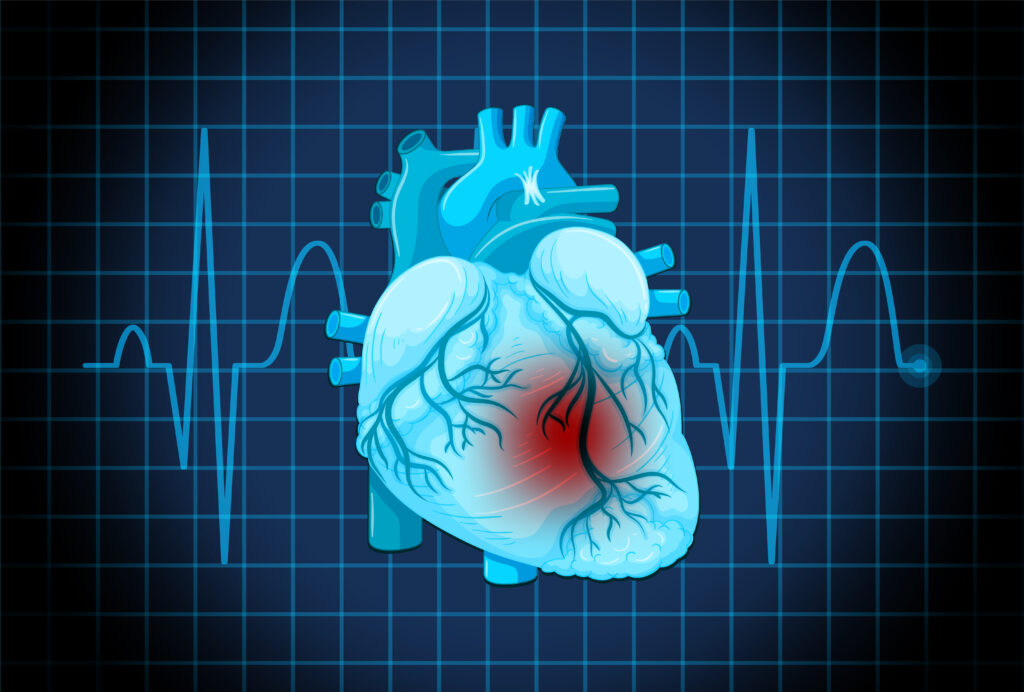

What Is a Heart Attack?
A heart attack happens when one or more coronary arteries become blocked, restricting oxygen-rich blood from reaching the heart. The blockage usually occurs due to plaque buildup, blood clotting, or artery spasms.
Common Signs and Symptoms of a Heart Attack
Recognizing early symptoms can save a life. The most common heart attack symptoms include:
- Chest pain or pressure (tightness, heaviness, burning)
- Pain spreading to left arm, neck, jaw, back, or shoulders
- Shortness of breath
- Cold sweats
- Nausea or vomiting
- Extreme fatigue
- Dizziness or fainting
Women and diabetic patients may experience mild symptoms such as indigestion, fatigue, or back pain, which makes detection difficult.
Major Causes of a Heart Attack
A heart attack is usually the result of long-term damage to the arteries. The biggest causes of heart attack include:
Lifestyle Factors
- Smoking
- High-fat and processed foods
- Lack of physical activity
- Chronic stress
- Obesity
Medical Factors
- High cholesterol
- High blood pressure
- Diabetes
- Family history of heart disease
- Peripheral artery disease
How Heart Attacks Are Diagnosed
When someone reaches the hospital with chest pain, doctors perform the following tests:
- ECG Test (Electrocardiogram)
- Troponin blood test
- Echocardiogram
- Coronary angiography
These tests help detect blocked arteries, heart muscle damage, and irregular heart rhythms.
Heart Attack Treatment
Immediate treatment is crucial. The faster the blocked artery is opened, the better the chances of survival.
Emergency Treatments
- Aspirin to reduce blood clotting
- Thrombolytic therapy (clot-busting medicines)
- Nitroglycerin for chest pain
- Oxygen therapy
Advanced Medical Procedures
- Angioplasty and Stent Placement
- Coronary Artery Bypass Surgery (CABG)
Recovery After a Heart Attack
Healing requires lifestyle changes, medications, and regular checkups.
Post-Heart Attack Care
- Heart-healthy diet
- Light to moderate exercise
- Quit smoking
- Stress management
- Regular monitoring of blood pressure, cholesterol, and sugar
- Doctor-recommended medications (beta-blockers, statins, blood thinners)
How to Prevent a Heart Attack
Prevention is the most powerful tool to protect your heart.
✔ Eat a Heart-Healthy Diet
Include:
Fruits, vegetables, whole grains, lean protein, nuts, seeds, olive oil
Avoid: processed foods, excess salt, sugary items
✔ Exercise Regularly
At least 30 minutes of physical activity daily.
✔ Maintain Healthy Cholesterol, Sugar & Blood Pressure
✔ Quit Smoking & Limit Alcohol
✔ Manage Stress
Yoga, deep breathing, meditation, and sleep hygiene.
Conclusion
A heart attack is a medical emergency, but with awareness, early diagnosis, and lifestyle changes, it is preventable. Taking small steps today—like improving your diet, exercising, and managing stress—can significantly reduce your risk.